Why stucco cracks so often in the Valley
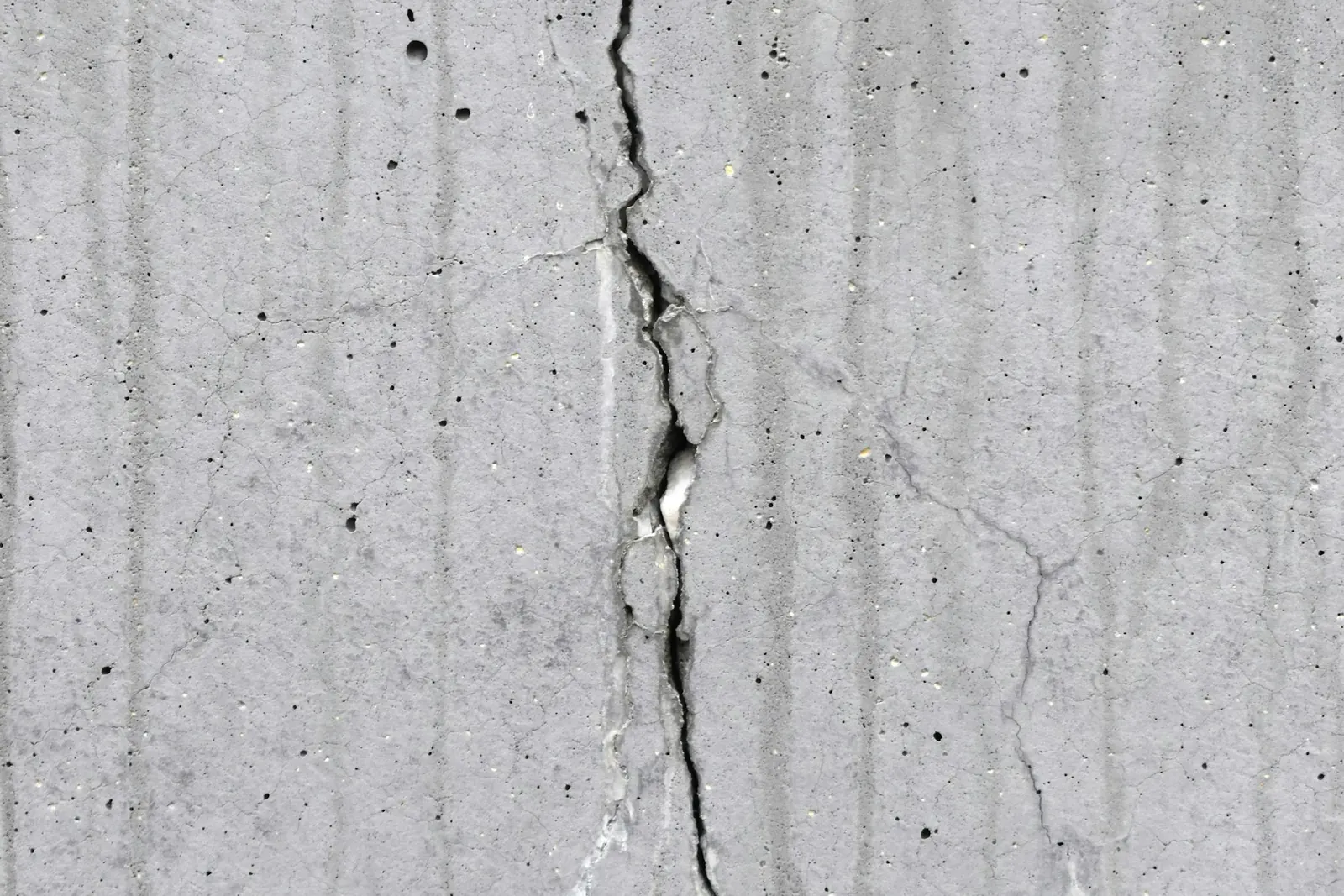
Stucco is a cement-based plaster applied over a lath and framing system. It’s durable and well suited to the desert, but it’s also rigid and thin, and it lives through extreme temperature swings. On a summer day, a west-facing wall can get far hotter than the air, then cool sharply overnight. That daily expansion and contraction, along with shrinkage as stucco cures and the natural movement of wood framing, produces cracks on almost every Valley home.
The National Weather Service’s Phoenix climate data show how extreme those temperatures get, with long stretches of very hot days through summer. Walls facing the afternoon sun take the hardest beating.
Common stucco crack patterns that are usually cosmetic
- Map or spider-web cracking: fine, random cracks in a web pattern, usually from shrinkage as the stucco cured
- Short cracks off window and door corners: stress cracks at openings, often from framing movement or heat
- Horizontal or vertical cracks at framing lines: cracks along floor lines or where sheathing panels meet
- Hairline cracks that don’t change: stable cracks that haven’t grown in months or years
These can usually be sealed and painted with an elastomeric coating. Sealing them also keeps water out of the wall.
Crack patterns that suggest foundation movement
- Cracks that start at the foundation and run up the wall
- Stucco cracks that line up with interior drywall cracks on the same wall
- Stair-step cracks in block walls under the stucco
- Cracks that are wider at the top or bottom, suggesting rotation
- Cracks with offset, where one side of the wall sits proud of the other
- Cracks that keep growing after they’re patched
- Stucco cracks plus symptoms inside, such as sticking doors, sloping floors or cracked tile
How to tell the difference
Walk around the house and look at the pattern, not just individual cracks. Then go inside and check the same walls. If an exterior crack near a bedroom corner matches a drywall crack inside that bedroom, and the door there sticks, that’s a pattern. If cracks are scattered randomly around the house with nothing happening inside, they’re more likely surface cracks.
Mark the ends of suspicious cracks with a pencil and date them. Check after a month and after any big monsoon storm. Growth is a sign of movement.
For more on the full list of symptoms, see our guide to the signs of foundation problems.
Block walls under stucco
Many Peoria homes and most perimeter fences are block construction. Block walls crack along mortar joints, and a stair-step pattern is a common sign that one end of the wall has settled. Fences crack for the same reasons houses do: water from irrigation or downspouts, loose soil, or fill under part of the wall. A cracked fence isn’t necessarily a house problem, but it can point to drainage issues nearby.
When to get a professional opinion
If you see a pattern that suggests movement, or you’re buying a home and the inspector flagged cracks, a foundation inspection with floor-elevation readings answers the question. If the cracks turn out to be structural, foundation crack repair addresses them, after the cause is stabilized.
Post-tension slabs and stucco
On newer homes with post-tension slabs, the slab often tilts as a unit rather than cracking, so stucco may show stress before the slab does. If your home is post-tension, see our post on whether post-tension slab cracks are normal.
Peoria homes and the sun
Homes across Peoria, from the older streets of Old Town to the neighborhoods surrounding the Peoria Sports Complex, face the same intense summer sun. West- and south-facing walls usually show the most stucco cracking, which is a strong hint that heat, not the foundation, is responsible. Cracks concentrated on one side of the house near a water source are a different story.
Stucco vs. foundation crack FAQs
Are stucco cracks normal in Arizona?
Yes. Fine stucco cracks are very common on Arizona homes because of extreme heat cycles, shrinkage as the stucco cures and normal framing movement. Map cracking and short cracks off window corners are usually cosmetic. They should still be sealed to keep water out, but they don’t indicate a foundation problem on their own.
How can I tell if a stucco crack is structural?
Look for cracks that start at the foundation, line up with interior drywall cracks on the same wall, show offset or keep growing after patching. Cracks that appear along with sticking doors, sloping floors or cracked tile are more likely structural. Floor-elevation readings confirm whether the foundation has moved.
Should I repair stucco cracks before fixing the foundation?
If the foundation is moving, fix it first. Patching stucco over active movement just leads to new cracks. If an evaluation shows the cracks are cosmetic or the foundation has stabilized, sealing and coating the stucco is a good way to keep water out of the wall and restore the finish.