Why post-tension slabs still crack
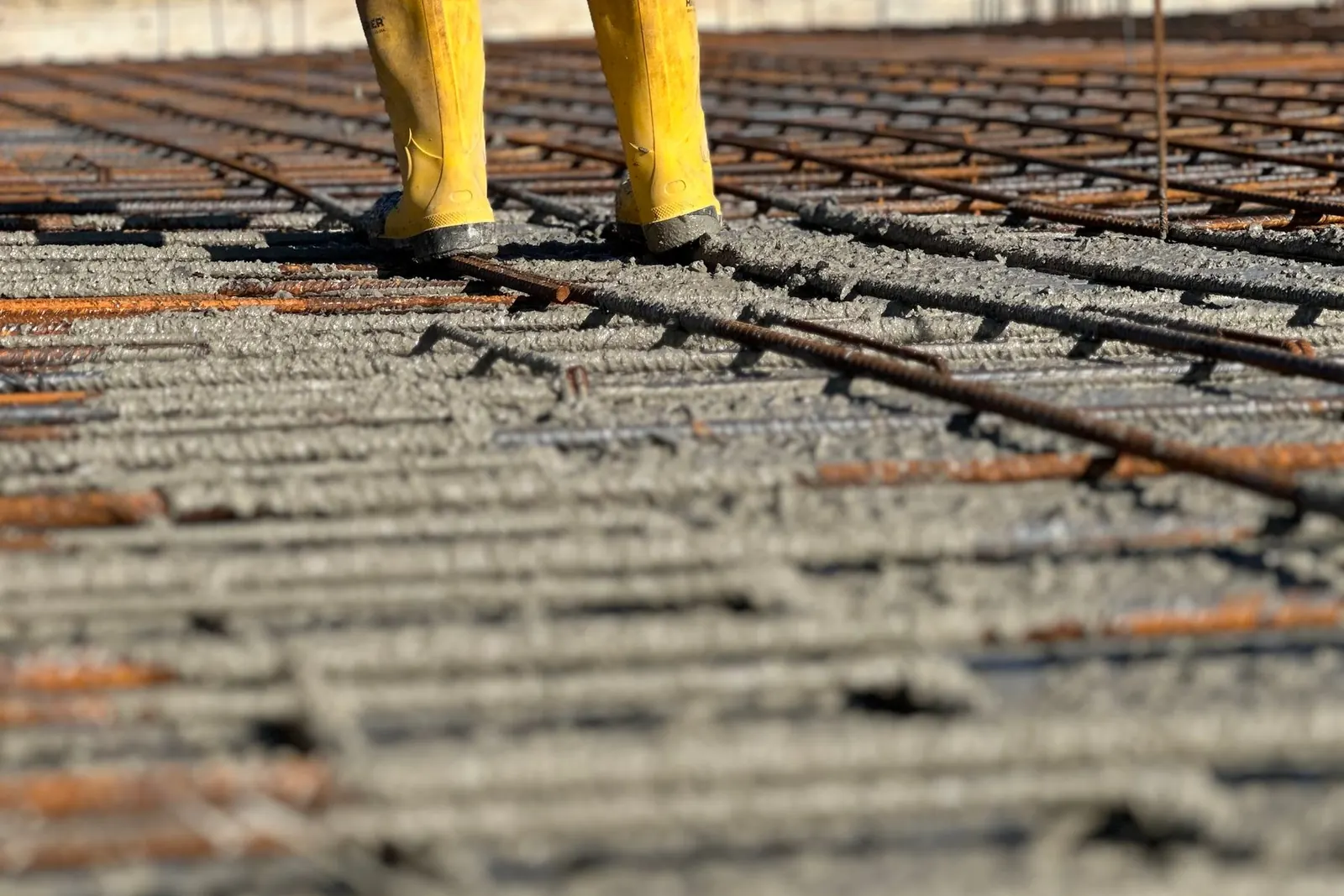
A post-tension slab has steel tendons running through it that were tightened after the concrete cured, putting the slab in compression. That compression helps keep cracks closed and lets the slab bridge soft spots. It doesn’t stop concrete from shrinking. As water leaves the concrete in the first months and years, the slab gets slightly smaller, and thin cracks can form, especially before the tendons are stressed or near corners and openings.
Arizona’s heat adds to it. Slabs poured in summer lose moisture quickly, and garage slabs see big daily temperature swings. That’s why you often find a few hairline cracks when you pull up carpet or look closely at a garage floor in almost any Peoria home built since the 1990s.
Cracks you usually don’t need to worry about
- Hairline shrinkage cracks thinner than a credit card, often random or running across the slab
- Cracks that haven’t changed over months or years
- Cracks that are flat, with both sides at the same height
- Cracks with no related symptoms, meaning doors work normally and floors feel level
These can be sealed for appearance or to keep moisture out, and they’re often handled with a crack-isolation membrane when tile goes down.
Cracks that deserve a closer look
- Cracks that keep widening. Mark the ends with a pencil and date, and check again in a few weeks.
- Offset cracks, where one side is higher than the other
- Cracks with rust stains, which may point to moisture reaching steel
- Cracks plus symptoms, like sticking doors, sloping floors or new drywall cracks on the same side of the house
- Bulges or breaks at the slab edge, which can signal a tendon or anchor problem
A post-tension slab is stiff, so when soil settles beneath it, the slab often tilts as a unit. That means sloping floors and doors drifting out of square can show up before any big crack does. Our guide to the signs of foundation problems covers those symptoms in more detail.
Never drill blind
This is the single most important rule for a post-tension slab. Drilling, coring or cutting into a tendon can damage or snap a tensioned cable, which is dangerous and expensive to repair. Before anyone installs a fence post into the slab edge, runs new plumbing through the floor, anchors a safe or injects a crack, the tendons should be located with ground-penetrating radar. The Post-Tensioning Institute publishes the industry guidance behind this practice, and it’s the standard any qualified contractor should follow.
How post-tension cracks are repaired
For dormant cracks, the repair is usually sealing or injection, done after a radar scan so injection ports avoid the tendons. Our foundation crack repair page explains when epoxy or flexible polyurethane is the better choice.
When the problem involves the tendons or anchors themselves, such as a broken tendon or a corroded anchor at the slab edge, the work becomes post-tension slab repair: exposing the damaged area, splicing or replacing the tendon, re-tensioning it and sealing the anchor so water can’t reach it again.
Stucco cracks are a separate question
Many homeowners notice exterior stucco cracks first and assume the slab is cracking too. Often it isn’t. Stucco cracks from heat cycles and curing are very common on Valley homes. Our post on stucco cracks vs. foundation cracks shows how to tell the patterns apart.
Post-tension slabs around Peoria
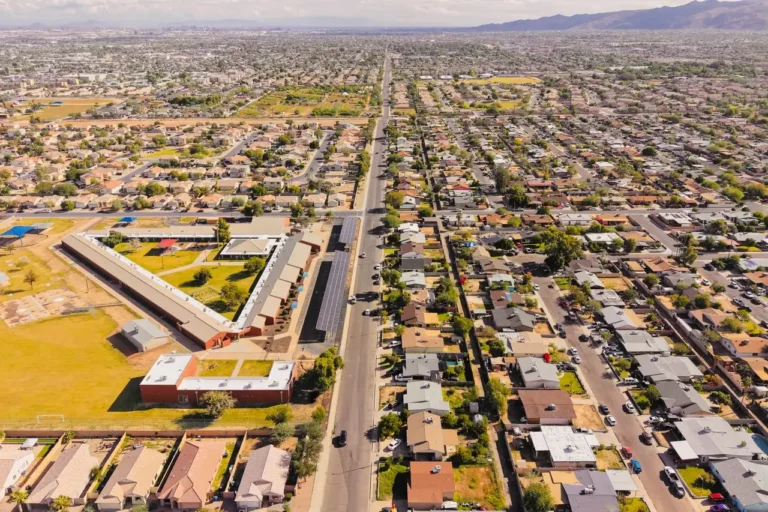
Nearly every home in north Peoria’s master-planned communities, such as Vistancia, sits on a post-tension slab, as do most homes built across Peoria since the mid-1990s. If you live in one of those neighborhoods, it’s worth knowing where your slab’s anchor pockets are, keeping sprinklers from spraying the slab edge, and making sure anyone working on your home knows the slab is post-tensioned before they pick up a drill.
A simple way to track a crack
If you’re unsure whether a crack is changing, track it yourself:
- Photograph the crack with a ruler or coin beside it for scale.
- Mark each end with a fine pencil line and write the date.
- Check again monthly, and after any big monsoon storm.
- If it grows past the marks, widens or develops offset, schedule an evaluation.
Post-tension slab crack FAQs
How wide is too wide for a post-tension slab crack?
There’s no single cutoff, but cracks thinner than a credit card that stay the same are usually shrinkage. Cracks that are wider, keep growing, show offset or come with sticking doors and sloping floors deserve an evaluation. How a crack changes over time tells you more than its width on any one day.
Can I seal post-tension slab cracks myself?
You can seal thin surface cracks with a flexible concrete sealant as long as you don’t drill into the slab. Anything that involves drilling, injection ports or anchors should wait until the tendons have been located with ground-penetrating radar, because hitting a tensioned tendon can be dangerous and costly.
Do cracks mean my post-tension slab has lost tension?
Not usually. Most cracks in post-tension slabs are shrinkage, and the tendons are still doing their job. Signs of a tendon or anchor problem include a bulge or break at the slab edge, rust stains around an anchor pocket, or a tendon pushing out of the concrete. Those need professional evaluation.