Why water control matters more than rain totals
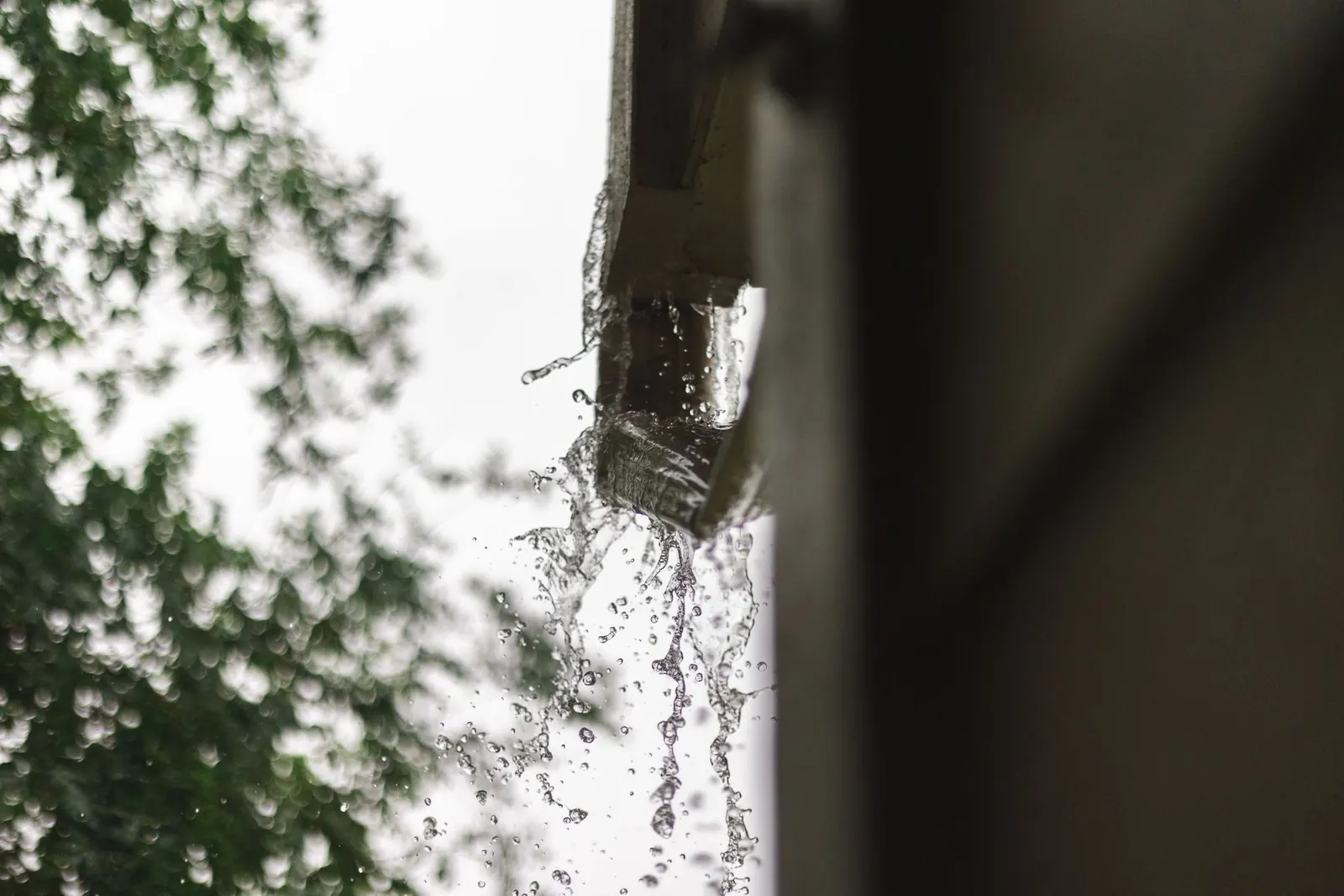
Peoria gets little rain, so drainage can feel like a problem for somewhere else. But the soil under most Valley homes reacts strongly to water. The Arizona Geological Survey explains that dry, loose desert soils can collapse when wetted, and clay pockets can swell. What matters isn’t how much rain falls in a year; it’s where water concentrates. One downspout dumping beside the stem wall for a few summers can do more damage than any storm.
Monsoon season is the exception that proves the rule. The National Weather Service in Phoenix defines it as June 15 through September 30, and the storms are short, intense and capable of putting a lot of water against a foundation fast. Watch the New River Trail wash near Rio Vista Community Park after a big storm and you’ll see how quickly runoff moves across Peoria.
What Peoria’s code says about grading
Peoria’s residential code, City Code §18-25, adopts the International Residential Code with local amendments. Its grading provision calls for the ground to fall at least 6 inches within the first 10 feet away from the foundation, or a 2 percent slope where lot lines or other barriers make that impossible. Many older yards no longer meet that after years of landscaping, pavers and planting beds built up against the house.
Drainage problems we find most often
- Downspouts discharging at the foundation instead of several feet away
- Planter beds and gravel built up against the stucco, reversing the slope
- Drip emitters and sprinkler heads aimed at the stem wall or running long cycles beside the house
- Low spots along side yards where water sits after a storm
- Pavers or patios sloping toward the house, often after the base settled
- Pool overflow and backwash draining next to the slab
Signs drainage is already affecting your foundation
Water problems leave clues before they leave big cracks. Look for efflorescence, the white powdery residue, on the stem wall or block walls; stucco that’s stained or crumbling right at the weep screed; soil that has washed away to expose the footing; and gaps opening between the slab and a patio or sidewalk. Inside, a corner where the baseboard has separated from the floor, or tile that has cracked near an exterior wall with heavy irrigation outside, is worth noting. Any of these on the same side of the house as a downspout or planter bed points to water as the cause.
Drainage and soil stabilization solutions
Regrading
Pulling soil and rock away from the foundation and reshaping the yard so it falls away from the house, following the code’s 6-inches-in-10-feet target where the lot allows.
Downspout extensions and discharge
Extending downspouts with solid pipe or splash blocks so roof water lands well away from the foundation, and sending it toward the street or a retention area where possible.
Irrigation changes
Moving emitters and spray heads away from the foundation, converting spray to drip, shortening run times and repairing leaking lines. In many Peoria yards, this is the single most effective change.
Surface drains and channels
Where grading alone can’t move water, area drains, channel drains or swales collect it and carry it away.
Soil stabilization and moisture control
Where soil under or around the foundation needs help, options include moisture barriers along the foundation edge, compaction or replacement of loose fill, and injected materials that fill voids or strengthen soil. The right choice depends on what the evaluation finds.
Drainage before and after foundation repair
Drainage work often happens alongside structural repair, not instead of it. If a slab section has already settled, fixing the water stops the next round of movement, while slab foundation repair addresses what has already happened. When flatwork has sunk, concrete leveling restores it once water is under control. Doing the drainage first is what makes either repair last.
A pre-monsoon drainage checklist
Before mid-June, walk the house with this list:
- Clean gutters and confirm every downspout discharges at least a few feet from the foundation.
- Look for soil, rock or mulch sloping toward the house and pull it back.
- Check drip lines and sprinkler heads near the slab for leaks or overspray.
- Note where water pooled during last season’s storms and fill or regrade those spots.
- Make sure pool backwash and overflow drain away from the house.
Our post on monsoon season and your Peoria foundation goes deeper into storm prep.
Drainage across the West Valley
El Mirage sits along the Agua Fria River, and its 2000s tract homes often show drainage-related settlement where lots are flat and side yards are narrow. In Goodyear, foothill lots in Estrella and former farmland near the river floodplains create very different runoff patterns, so drainage plans are always site-specific.
Drainage and soil stabilization FAQs
How should my yard drain away from the foundation?
Peoria’s residential code calls for the ground to fall at least 6 inches within the first 10 feet away from the foundation, or a 2 percent slope where lot lines or obstructions make that impossible. Downspouts should discharge well away from the house, and planter beds, rock and pavers shouldn’t slope back toward the stucco.
Can irrigation really damage a foundation?
Yes. Steady watering against the slab, from drip emitters, spray heads or a leaking line, keeps the soil beside and beneath the foundation wet. In loose desert soil that can cause collapse and settlement, and in clay pockets it can cause swelling. Moving irrigation away from the foundation is often the most effective change a Peoria homeowner can make.
What should I do before monsoon season?
Before monsoon season starts on June 15, clean gutters and extend downspouts, fix low spots where water ponds against the house, pull soil and rock away from the stucco, and check drip lines and sprinkler heads near the slab. Also make sure pool overflow and backwash drain away from the foundation rather than beside it.
What is soil stabilization?
Soil stabilization is work that controls moisture in or strengthens the soil under or around a foundation so it stops moving. Depending on the site, it can include regrading, drainage improvements, moisture barriers along the foundation edge, compacting or replacing loose fill, or injecting materials that fill voids and firm up the soil.