Who a foundation inspection is for
Most inspections fall into one of three situations:
- Owners who’ve noticed sticking doors, new drywall cracks, cracked tile or a sloping floor and want to know whether it matters
- Buyers whose home inspector flagged foundation concerns and need a closer look before the inspection period ends
- Sellers who’d rather understand a crack and document it than have it surprise a buyer mid-escrow
The process is similar for all three. What changes is the timeline and how the findings get used.
What a foundation inspection includes
Floor-elevation survey
We take elevation readings across the floor with a digital level or manometer, room by room, and plot them. The result shows high and low points and how much difference there is across the house. A newer post-tension slab and a 1960s conventional slab each have their own normal range, and the pattern matters more than any one number.
Crack mapping
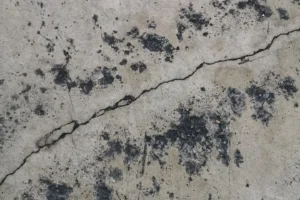
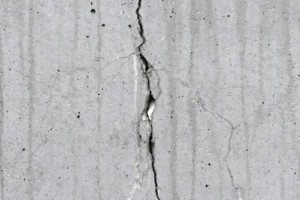
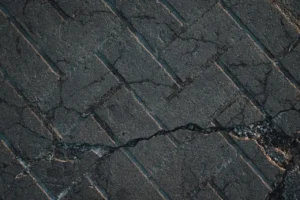
Interior drywall cracks, tile and slab cracks, exterior stucco and stem wall cracks are noted with width and location, then compared against the elevation readings. Cracks that line up with a low area tell a different story than cracks scattered randomly.
Doors, windows and framing
Sticking doors, uneven gaps at the top of a frame and windows that won’t lock are recorded. They’re often the best everyday evidence of where a house has moved.
Drainage, irrigation and leak signs
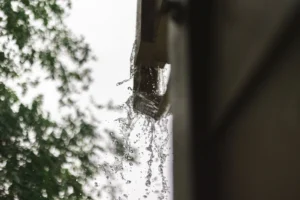
Outside, we look at grading, downspouts, irrigation emitters, pool equipment and any ponding marks along the foundation. Inside, we watch for signs of under-slab leaks, such as warm spots, damp flooring or a water meter that moves when everything is off.
Written findings
You get a written summary covering what was observed, what likely caused it, whether it appears active, and the recommended next step. We keep it in plain language, and we’re clear about what an inspection can and can’t tell you.
Foundation inspections when buying a home in Peoria
A general home inspection notes visible cracks and obvious slope, but it isn’t a foundation evaluation. If the report mentions settlement, cracks wider than a hairline, sticking doors or a sloping floor, a dedicated foundation inspection is worth scheduling before your inspection period runs out. That’s especially true for older homes near the 55-plus neighborhoods of Westbrook Village, and for hillside lots in north Peoria where fill pads are common.
It also pays to check the paperwork. You can search a property’s permit history in the city’s Development Services portal to see whether past foundation work was permitted, and look up whoever did that work on the Arizona ROC Contractor Search. Our guide to foundation checks before buying a home covers the full checklist.
When a structural engineer is needed
A foundation inspection tells you whether there’s a problem and what’s likely causing it. For piering or other significant structural repair, an Arizona-registered structural engineer typically evaluates the home and prepares the repair design, and Peoria’s building department may require engineered documents for the permit. We’ll tell you when your situation calls for one, and an engineer’s report is often what lenders and buyers ask for in a real estate transaction.
What happens after the inspection
Most inspections end with one of these outcomes:
- No significant movement. The cracks are cosmetic or within normal range. We’ll suggest what to watch.
- Drainage or leak correction. The movement is minor and tied to water. Fixing grading, irrigation or a leak comes first.
- Crack repair. Dormant cracks can be sealed or injected. See foundation crack repair.
- Structural repair. Active settlement may need piers or other work, often designed by an engineer. On newer homes, that can include post-tension slab repair if tendons or anchors are involved.
Inspection homes we see around Peoria
Peoria’s housing stock gives each inspection its own context. Homes near the Peoria Sports Complex are mostly 1990s and 2000s post-tension slabs where flatwork settlement and drywall cracks are the usual questions. Older Old Town homes raise questions about drain lines and decades of irrigation. North Peoria’s foothill lots lead to questions about fill, slope drainage and retaining walls.
Foundation inspections in nearby cities
Buyers in Glendale often ask about older central Glendale slabs versus newer Arrowhead Ranch homes. In Litchfield Park, close to Luke Air Force Base, buyers sometimes ask about land subsidence and earth fissures, and part of our inspection there includes showing how to check an address on the state’s hazard maps.
Getting the most from your inspection
Have a few things ready if you can: the year the home was built, any past repair records or engineer letters, and a list of what you’ve noticed and when. If you’re a buyer, share the home inspector’s report so we can focus on the flagged items. Clearing furniture away from the walls in rooms with cracks makes the elevation readings faster and more complete.
Foundation inspection FAQs
What does a foundation inspection include?
A foundation inspection includes a floor-elevation survey across the house, mapping of interior and exterior cracks, a check of doors and windows for racking, and a review of grading, drainage, irrigation and leak signs. You get a written summary of what was found, what likely caused it, whether it looks active and what the next step should be.
Do I need a structural engineer?
For piering or significant structural repair, an Arizona-registered engineer’s evaluation or repair plan is commonly required for the permit and strongly recommended. For cosmetic cracks, drainage fixes or flatwork leveling, an engineer usually isn’t needed. Buyers and lenders sometimes ask for an engineer’s report during a sale, which is a separate document from an inspection.
Should I get a foundation inspection before buying a home in Peoria?
Yes, if the home inspector flags cracks, sloping floors or sticking doors, or if the house sits on a hillside fill lot in north Peoria. A dedicated foundation inspection measures the floors and looks for causes, which a general home inspection doesn’t do. Schedule it early so results arrive before your inspection period ends.
How do I check past permits on a Peoria home?
Search the property address in the City of Peoria’s Development Services portal, which shows permits issued for that address, including any past foundation or structural work. If work was done without a permit, ask the seller for documentation, and look up any contractor named in the records on the Arizona ROC Contractor Search.