What makes monsoon season hard on foundations
The National Weather Service in Phoenix defines monsoon season as June 15 through September 30. During those months, storms can build quickly, dump heavy rain over a small area and move on within an hour. Much of the Valley’s yearly rain arrives this way, in short bursts rather than gentle soaking rains.
That pattern is tough on foundations for a few reasons:
- Soil is at its driest. After months of heat, the soil around your foundation is bone dry and often loose. The Arizona Geological Survey notes that loose, dry desert soils can collapse when they get wet.
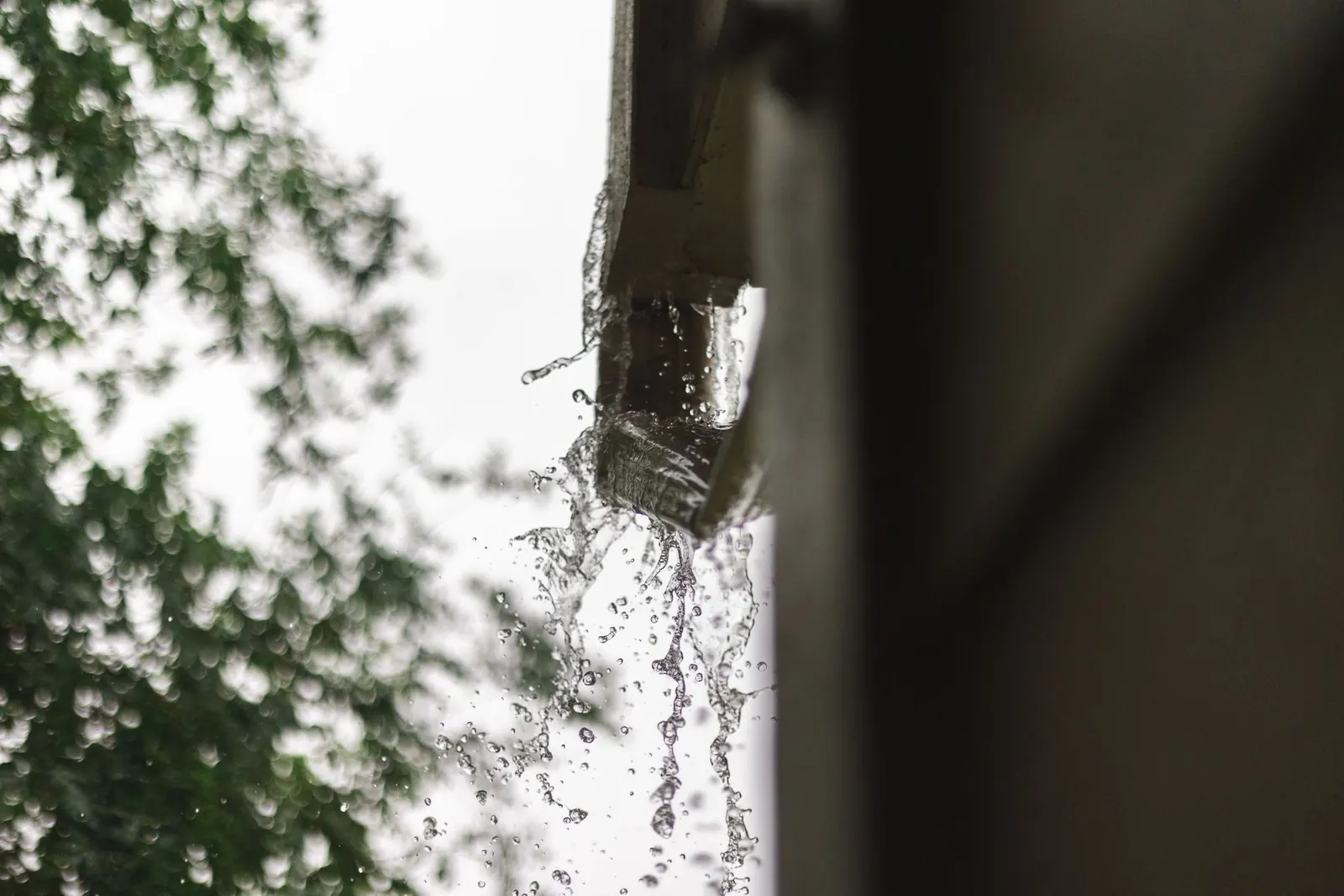
- Water arrives fast. A heavy storm can overwhelm gutters, downspouts and yard grading, sending water toward the house instead of away.
- Water concentrates. Runoff finds low spots, and if a low spot sits against your stem wall, that’s where the water soaks in.
- Wet-dry cycles repeat. Storms followed by days of intense heat dry the soil quickly, and in soils with clay, that cycle causes swelling and shrinkage.
Where water goes during a storm
Next time a monsoon storm hits, watch your yard from a window. You’ll often see:
- Downspouts overflowing or discharging right at the foundation
- Water running off the roof where there are no gutters, cutting a line in the gravel
- Side yards filling with water because the neighbor’s lot drains toward yours
- Patios and pavers sloping toward the house, pushing water against the wall
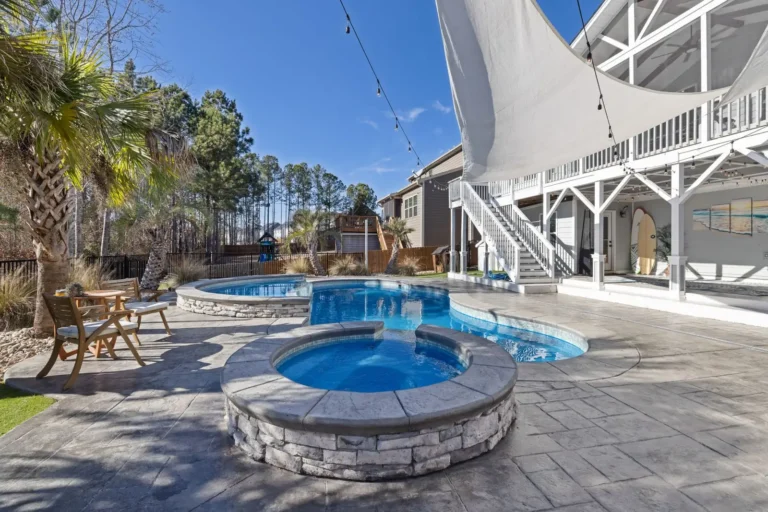
- Pool decks shedding water into planters beside the slab
Every one of those is a place where foundation settlement can start.
Signs a storm has affected your foundation
After the season, look for:
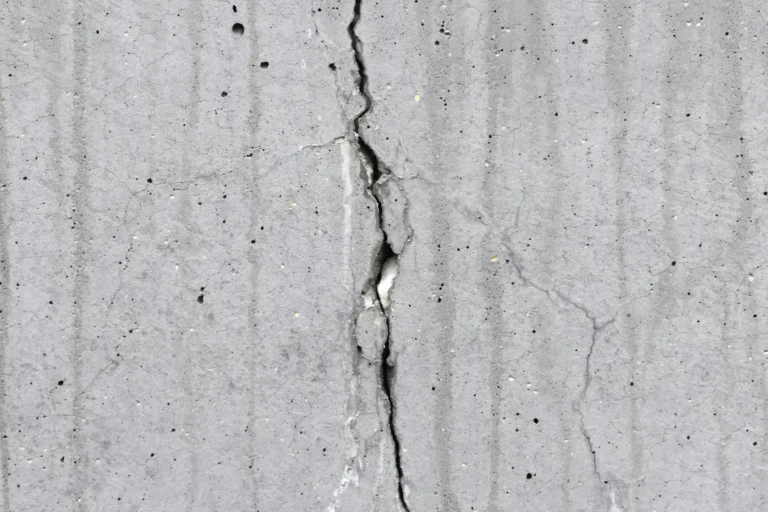
- New or wider cracks in drywall, especially above doors and windows
- Doors that suddenly stick or won’t latch
- Soil washed away from the foundation, exposing the footing
- Gaps opening between the slab and patios or sidewalks
- Efflorescence, the white powdery residue, on the stem wall
- Driveways or walkways that have dropped
A pre-monsoon drainage checklist
Do this in May or early June, before the first storms:
- Clean gutters and downspouts so they can handle heavy flow.
- Extend every downspout so it discharges several feet away from the foundation, onto a splash block or into solid pipe.
- Check grading. Peoria’s residential code calls for the ground to fall 6 inches within the first 10 feet from the foundation. Pull back soil, rock and mulch that slope toward the house.
- Fill low spots where water pooled last season.
- Clear yard drains and channel drains of debris.
- Check irrigation. Reduce watering during the wet months and make sure emitters aren’t adding water beside the slab.
- Route pool overflow and backwash away from the house.
Our drainage and soil stabilization service handles the bigger fixes, such as regrading, surface drains and soil moisture control.
Washes and runoff in Peoria
Peoria is crossed by washes that carry monsoon runoff, including New River and Skunk Creek. The New River Trail follows one of them, and after a big storm you can see how much water moves through the city. Homes near washes, and hillside homes in north Peoria where runoff comes from higher ground, need particularly good drainage.
When flatwork settles after storms
Driveways, patios and pool decks are often the first to show monsoon damage, because the soil under them was compacted less than the house pad and storm water finds its way beneath them. If the slab is intact, concrete leveling with polyurethane foam can lift it back into place, but only after the drainage that caused the settlement is fixed.
Monsoon season and pool or irrigation leaks
Storms aren’t the only water. Our post on pool and irrigation leaks covers the slow, steady leaks that do damage all year. And if you’re curious why desert soil reacts so strongly to water, our guide to caliche and collapsible soil explains the geology.
Monsoon foundation FAQs
When is monsoon season in Peoria, AZ?
The National Weather Service in Phoenix defines monsoon season as June 15 through September 30. Storms during that period can be sudden and intense, with heavy rain, strong winds and blowing dust. Preparing your drainage in May or early June gives you the best protection before the first storms arrive.
Can one monsoon storm damage a foundation?
One storm can start the process if water ponds against the foundation and soaks into dry, loose soil. More often, damage builds over several storms or seasons where the same spot keeps getting wet. That’s why fixing downspouts, grading and low spots before the season matters more than reacting after a storm.
Should I water my yard less during monsoon season?
Yes, in most cases. Reducing irrigation during the wet months keeps the soil around your foundation from being soaked by both storms and sprinklers. Make sure drip emitters near the house are adjusted or turned off when storms are frequent, and resume normal watering as the season dries out.