Why there’s no single price for foundation repair
Foundation repair isn’t one product. A homeowner with a sunken driveway, another with a hairline slab crack and a third with a corner of the house still settling are all “getting foundation repair,” but the work, equipment and time involved have almost nothing in common. That’s why online price ranges are so wide and so often misleading.
What we can do is explain what drives the cost, so you can read an estimate with confidence and compare two estimates fairly.
The biggest cost factors
Type of repair
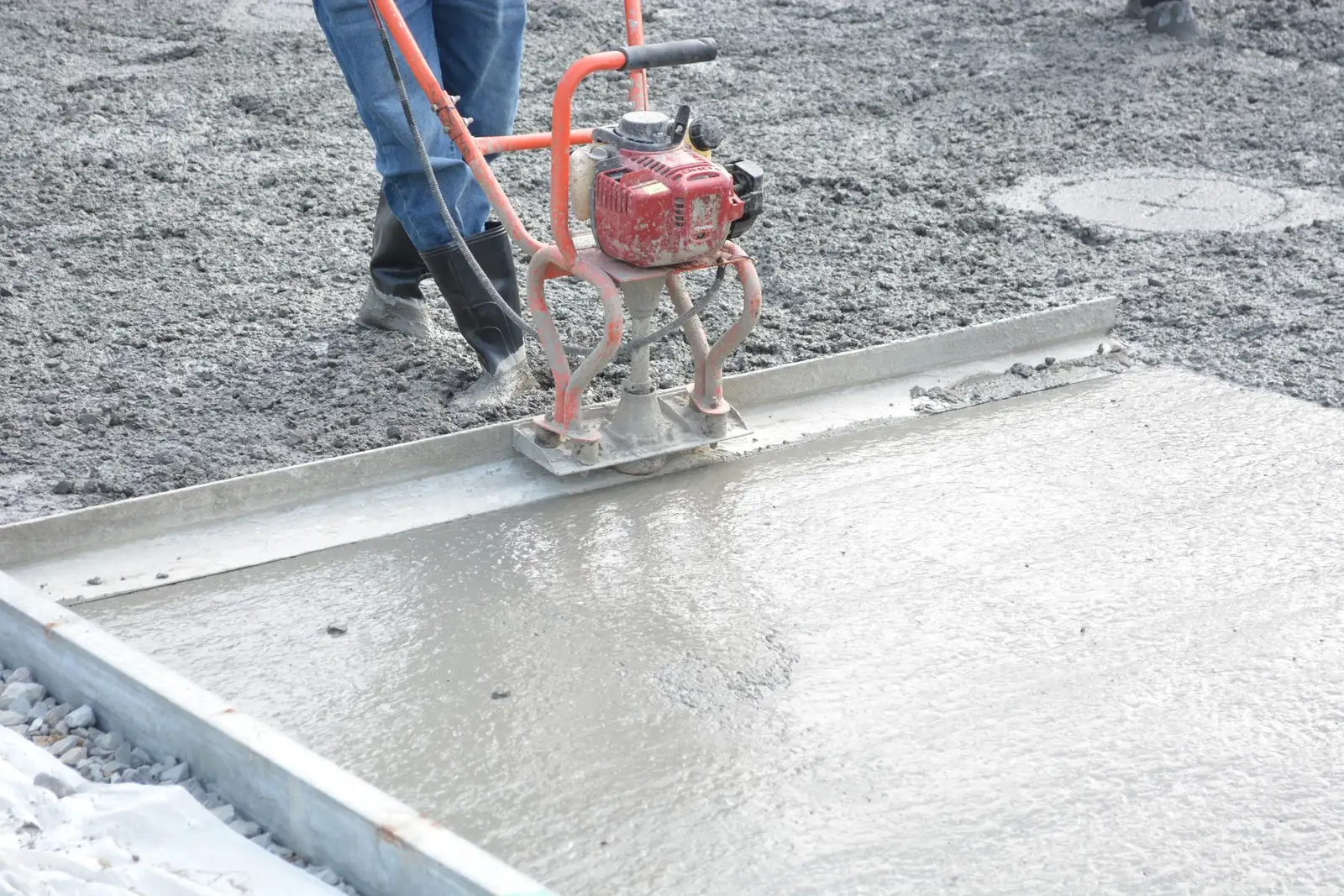
The repair method sets the baseline. Concrete leveling with polyurethane foam for a driveway or patio is generally the least involved job. Crack injection is usually modest in scope. Piering is the most involved, because it’s structural, requires excavation at each pier location and usually involves an engineer.
Number of piers
For pier jobs, the number of piers is the biggest single factor. That count comes from the length of the footing that’s settling and the load it carries. A corner settlement may need a handful of piers. Settlement along a whole side of the house needs more. Our guide to helical vs. push piers explains how the pier type is chosen, which also affects cost.
Depth to firm soil
Piers are driven or screwed in until they reach load-bearing material. In much of Peoria, caliche and shallow firm layers can mean reasonable depths, but fill on hillside lots or loose soil can push piers deeper, adding material and time.
Access
A wide-open side yard is easier than a narrow gap between a block wall and the house. Pool equipment, mature landscaping, pavers, gas lines and air-conditioning pads all affect how crews reach the footing.
Engineering and permits
Structural repairs in Peoria usually need a building permit, and pier jobs commonly need an engineer’s evaluation or pier layout. Those add cost and time, but they also protect you when you sell the home. Unpermitted structural work can draw double fees and raise questions from buyers.
Post-tension slabs
If your home is on a post-tension slab, any drilling must be preceded by a radar scan to locate the tendons. That scan is a normal line item, and skipping it is never worth the risk.
Drainage and leak repairs
Fixing the water source is often part of the job: moving irrigation, adding downspout extensions, regrading a side yard or repairing a leak. These are usually modest compared with piers, and they’re what keeps the repair from failing. See push piers for how stabilization and water control fit together.
Cosmetic repairs
Drywall patching, door adjustments, tile replacement and stucco repair after the structure is stable are separate costs. Some estimates include them; many don’t. Ask.
What a good written estimate includes
When you compare estimates, look for:
- The cause. What the contractor thinks is making the foundation move, in plain language.
- The scope. Exactly what work is included: number and type of piers, locations, foam quantities, drainage work.
- Engineering and permits. Whether they’re included, and who handles them.
- What’s excluded. Cosmetic repairs, landscaping restoration, plumbing repairs.
- The lift target. For pier jobs, what lift is planned and how it’ll be monitored, and an honest statement that full lift isn’t always possible.
How to compare two estimates fairly
If one estimate calls for twelve piers and another for six, ask each contractor why. The difference might be the pier type, the length of footing they believe is moving, or a disagreement about the cause. Floor-elevation readings help settle that, so ask to see them. An estimate that skips the water source is incomplete no matter how low it is.
Before signing, look the contractor up on the Arizona ROC Contractor Search and confirm the license class covers the work.
How to keep repair costs down
- Catch it early. Settlement that’s caught early often needs less work. Our post on the signs of foundation problems covers what to watch for.
- Fix water problems promptly. A leaking irrigation line costs little to repair. The settlement it causes can cost a lot more.
A Peoria example of how scope varies
Picture two homes a few miles apart. One is a 1970s slab home near Old Town Peoria with a drain-line leak under the kitchen; the right plan may be a leak repair, a short run of piers along one wall and drywall patching. The other is a 2000s home in north Peoria with a driveway dropping at the garage; the right plan may be foam leveling and a downspout extension. Same city, same “foundation repair” search, completely different scope and cost.
Foundation repair cost FAQs
Why won’t anyone give me a foundation repair price over the phone?
Because the cost depends on details that can only be measured on site, such as how far the slab has moved, how many piers are needed, how deep firm soil is and how easy the footing is to reach. A price given without floor-elevation readings is a guess, and guesses tend to change once work starts.
Does a permit add to the cost of foundation repair in Peoria?
Yes, permit fees and any engineering required for the permit add to the total. Structural foundation work in Peoria usually needs a permit, and pier jobs commonly need an engineer’s plan. Those costs protect you, since unpermitted structural work can draw double fees and cause problems when you sell.
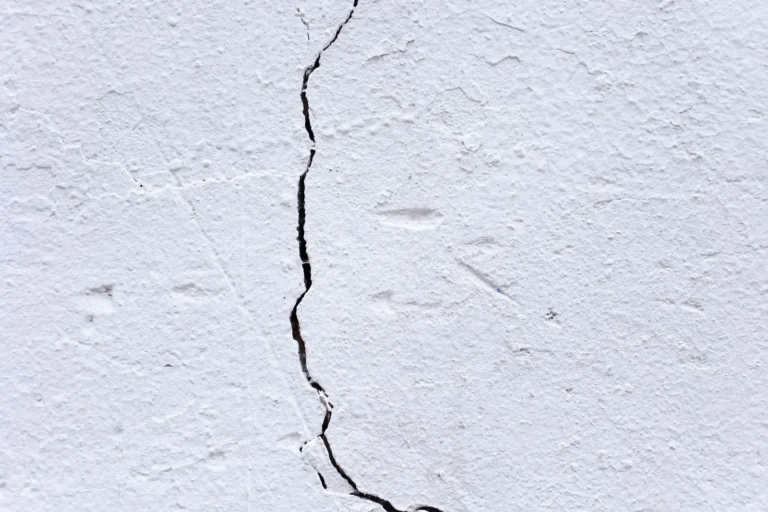
Is it cheaper to just fix the cracks?
Sealing cracks costs less up front, but if the foundation is still moving, the cracks will come back and the underlying problem will keep getting worse. If an evaluation shows the movement has stopped, crack repair alone may be enough. If it’s active, fixing the cause first is cheaper in the long run.