Why the pattern matters more than any one sign
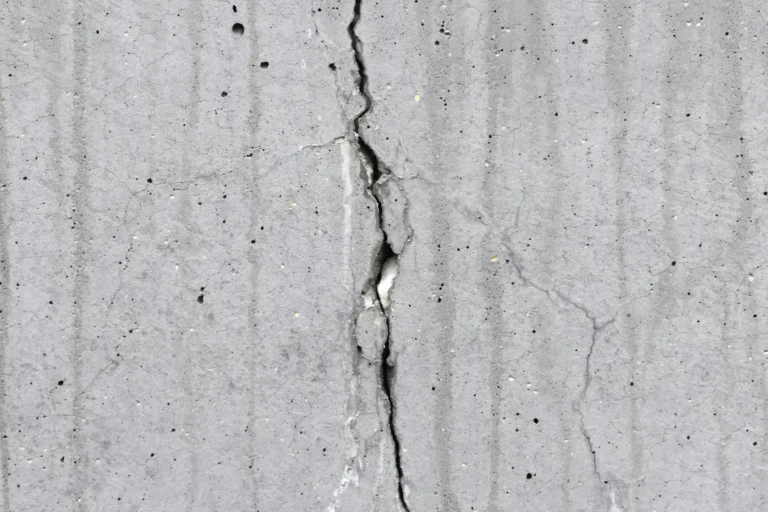
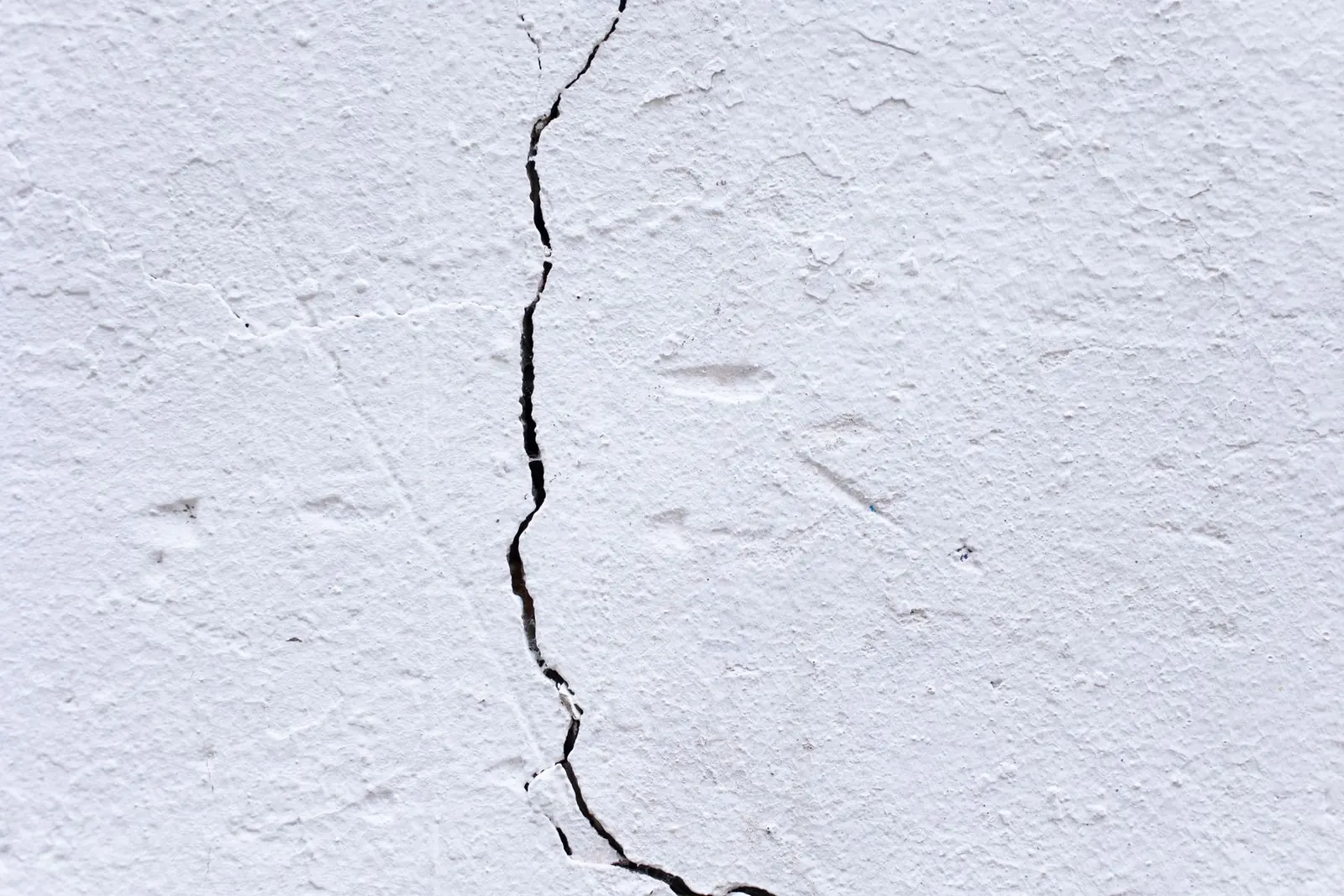
Homes in the Valley crack. Concrete shrinks, stucco reacts to heat and drywall seams open as wood framing dries out. So a single crack isn’t automatically a foundation problem. What tells the story is a pattern: several symptoms showing up together, especially in the same part of the house. Here’s what to look for.
1. Doors that stick or swing on their own
Interior doors are excellent movement detectors. When the slab under a doorway settles, the frame racks out of square. Watch for doors that rub at the top corner, won’t latch, swing open or closed on their own, or show a gap that’s wider at the top on one side than the other. Seasonal sticking from humidity is less common here than in wetter climates, so a door that suddenly sticks in Peoria is worth noting.
2. Diagonal cracks in drywall
Cracks that run diagonally up from the corners of doors and windows are classic movement cracks, because those corners concentrate stress when the framing shifts. Straight cracks along drywall seams are more often from framing shrinkage. Cracks that keep coming back after patching deserve a closer look.
3. Cracked tile or popped grout
Tile is rigid, so it shows slab movement clearly. A crack that runs across several tiles in a line, or grout popping out along a row, often follows a slab crack or settlement below.
4. Gaps at baseboards, trim and ceilings
When part of a slab drops, baseboards may separate from the floor, crown molding may pull away from the ceiling, and gaps may open where interior walls meet the ceiling.
5. Sloping or uneven floors
You may feel it walking through the house, or notice furniture rocking or a ball rolling to one side. A post-tension slab is stiff and often tilts as a unit, so sloping floors can appear before any big crack does.
6. Stair-step cracks in block walls
Block walls, including garage walls and block fences, crack along mortar joints in a staircase pattern when one end settles. A stair-step crack that’s widening is a strong movement sign.
7. Stucco cracks that line up with interior cracks
Exterior stucco cracks are extremely common and usually cosmetic. But when a stucco crack lines up with an interior crack on the same wall, or runs from the foundation up through the wall, it’s more likely tied to movement. Our post on stucco cracks vs. foundation cracks covers this in detail.
Signs outside the house
- Soil pulling away from the foundation or exposing the footing
- Gaps between the slab and patios, driveways or sidewalks
- Driveways dropping at the garage
- Water pooling against the house after storms or irrigation
- Rust stains at the slab edge on post-tension homes
What to do if you see several signs
- Write it down. Note what you see, where and when you first noticed it.
- Mark and date cracks with a pencil so you can tell whether they grow.
- Look for water. Check irrigation, downspouts and signs of leaks near the affected area.
- Get it measured. A foundation inspection with floor-elevation readings shows whether the slab has moved and where.
If the evaluation confirms settlement, slab foundation repair addresses the cause and stabilizes the home.
Older homes vs. newer homes
In older homes near Old Town Peoria, built on conventional slabs in the 1950s through the 1970s, we often see stem wall and block wall cracks and settlement tied to under-slab drain leaks. In newer post-tension homes, sloping floors, sticking doors and settled flatwork are more typical. If your home is post-tension, our post on whether post-tension slab cracks are normal is worth reading next.
Signs of foundation problems FAQs
What is the first sign of foundation problems?
In many Peoria homes, the first sign is a door that starts sticking or won’t latch, or a new diagonal crack above a door or window. On newer post-tension slabs, a floor that feels slightly sloped may come before any obvious crack. Several of these signs appearing together is a stronger indicator than any single one.
Are hairline cracks in walls a foundation problem?
Not necessarily. Hairline cracks along drywall seams are often caused by framing shrinkage or temperature changes. Diagonal cracks from door and window corners, cracks that keep returning after patching, or cracks that appear with sticking doors and sloping floors are more likely related to foundation movement.
When should I call someone about foundation signs?
Request an evaluation if you see several signs together, a crack that keeps widening, cracks with one side higher than the other, or doors and floors that change noticeably over a few months. Getting the floors measured early often means a simpler repair, and sometimes it confirms nothing structural is wrong.