Not every crack is a foundation problem
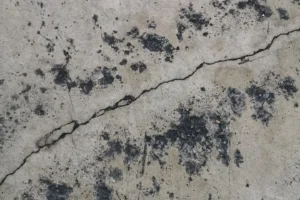
Concrete shrinks as it cures, and almost every slab in the Valley has a few hairline cracks to show for it. Stucco cracks in the summer heat. Block walls crack at mortar joints as they expand and contract. None of that automatically means the foundation is failing, and a good evaluation should say so plainly.
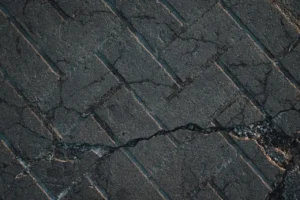
What we look for is a crack that’s doing something: getting wider, showing one side higher than the other, letting in water or lining up with other symptoms like sticking doors and sloping floors. Those cracks tell you the structure is moving, and they get a different repair than cracks that are simply there.
Types of foundation cracks we see in Peoria homes
- Hairline slab shrinkage cracks. Thin, often random or running across the slab, typically found under carpet or tile during a remodel. Usually cosmetic.
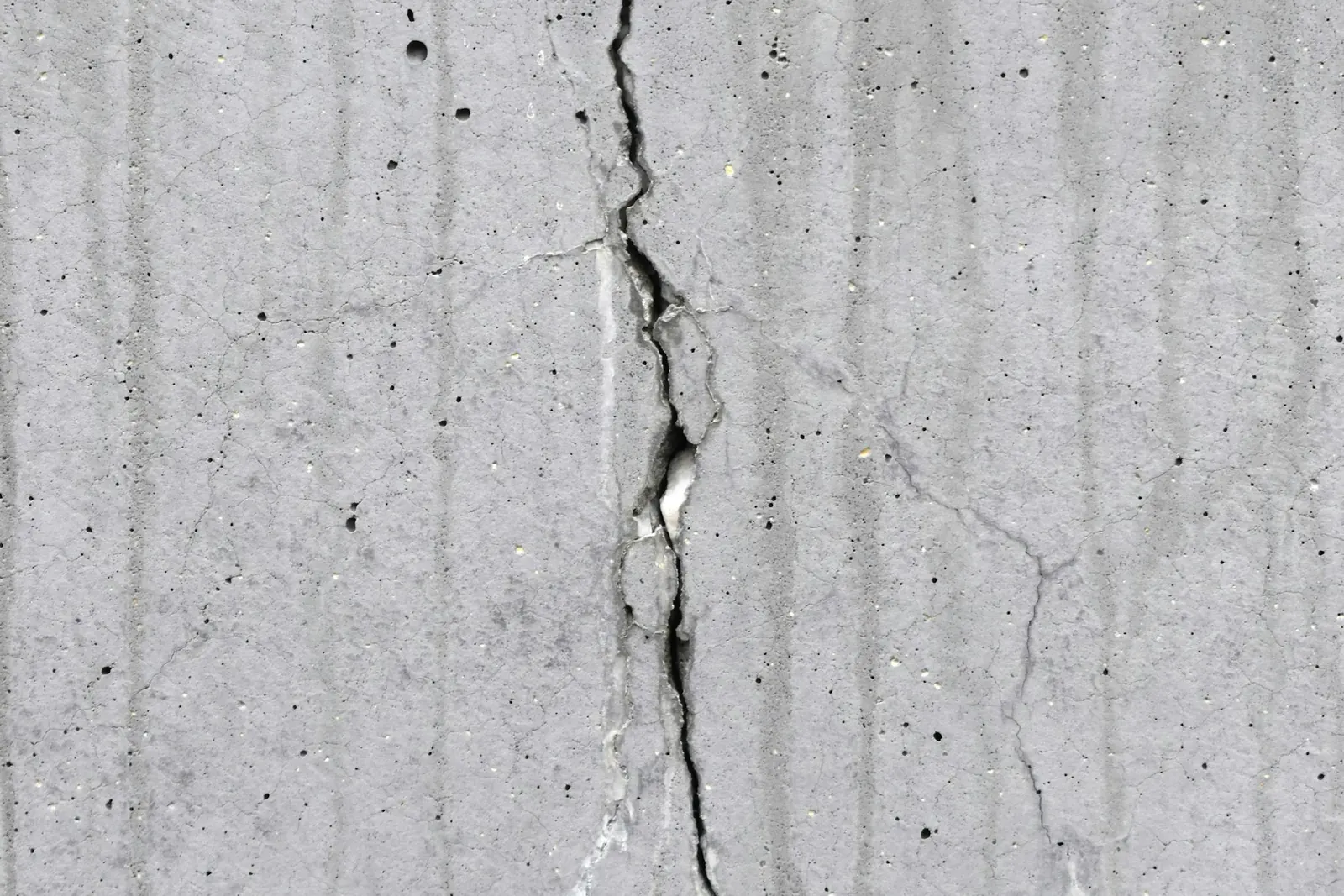
- Stem wall cracks. Vertical or slightly diagonal cracks in the short concrete or block wall the house sits on. A single narrow vertical crack is common; a wide or stepped one is a closer look.
- Stair-step cracks in block walls. A crack that follows mortar joints in a staircase pattern, often on garage or perimeter walls, can signal one end of the wall settling.
- Offset cracks. One side sits higher than the other. This is a movement crack almost by definition.
- Cracks that leak. Water or soil coming through a slab or stem wall crack means the crack is open all the way through.
The older housing stock around Old Town Peoria, including the blocks near the Peoria Center for the Performing Arts, shows more stem wall and block wall cracking simply because those foundations have been through more summers. Newer homes in Westbrook Village and north Peoria more often call about slab cracks found under flooring.
Stucco cracks vs. foundation cracks
This is the question we hear most. Fine, web-like cracks in stucco, or short cracks running off window corners, are often surface movement from heat cycles and the way stucco cures. Cracks that run continuously from the slab up through the wall, or that match an interior crack on the same wall, are more likely structural. Our post on stucco cracks vs. foundation cracks shows the patterns side by side.
How we repair foundation cracks
Measure and monitor first
Before recommending anything, we measure crack width, check for offset and compare the crack’s location against floor-elevation readings. If the cause isn’t clear, simple crack monitors or dated pencil marks over a few weeks will show whether the crack is still moving.
Epoxy injection for dormant structural cracks
When a crack in a stem wall or slab has stopped moving, low-viscosity epoxy injected under pressure bonds the concrete back together. Epoxy is stronger than the concrete around it, which is the point, but it’s also rigid. If the soil is still moving, a new crack will simply form next to the repair.
Polyurethane injection for cracks that may still flex or leak
Flexible polyurethane foams and seals cracks that may continue to open and close slightly, and it’s the better choice when the goal is keeping water out. It doesn’t add strength the way epoxy does.
Routing and sealing slab cracks
Hairline slab cracks under new flooring are usually routed and filled with a flexible sealant or a crack-isolation membrane so the crack doesn’t telegraph through tile.
Stabilizing the cause
If the crack is a symptom of settlement, the fix is under the crack, not in it. That may mean slab foundation repair with piers, foam leveling, or a drainage correction. On post-tension slabs, every injection port and drill hole is placed only after the tendons have been located with radar.
When to get a crack evaluated
Call for an evaluation if a crack is wider than about the thickness of a credit card, keeps growing, shows offset, leaks, or comes with doors and windows that have started sticking. A foundation inspection with floor-elevation readings answers whether the crack is part of a larger pattern, and it’s the right first step if you’re buying or selling a home.
Crack repair beyond Peoria
Crack patterns follow building age. In Youngtown, many homes are small 1950s to 1970s slabs and block walls where stem wall and mortar-joint cracks are common. Avondale mixes older slabs near Western Avenue with 1990s and 2000s tracts, so we see both stem wall cracks and post-tension slab cracks there.
Choosing who repairs your cracks
Crack injection is often a small job, which is exactly when homeowners skip checking credentials. Arizona requires a contractor’s license when a job’s labor and materials exceed $1,000 or the work needs a permit, so look the company up on the Arizona ROC Contractor Search before work starts. Ask whether the crack is being repaired or the cause is being fixed, and get that answer in writing.
Keeping cracks from coming back
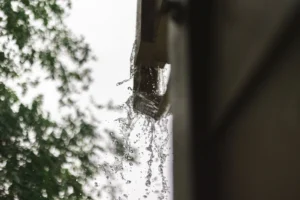
Most re-opened cracks trace back to water. Keep irrigation emitters at least a few feet off the foundation, extend downspouts past the planting beds, and fix low spots where water ponds against the stem wall after a storm. Those habits keep the soil under the crack at a steadier moisture level, which is what keeps a repaired crack closed.
Foundation crack repair FAQs
Which foundation cracks are serious?
Cracks wider than a hairline, cracks that keep growing, cracks where one side sits higher than the other, and cracks that let in water or soil deserve an evaluation. Stair-step cracks along mortar joints in block walls are also worth a look. A crack that appears alongside sticking doors or sloping floors is more likely to be structural than one that appears alone.
Is epoxy or polyurethane injection better?
It depends on the crack. Epoxy bonds a dormant structural crack back together and restores strength, but it’s rigid, so it suits cracks that have stopped moving. Flexible polyurethane seals cracks that may still move slightly or leak, and it’s the better choice for waterproofing. Neither one fixes the settlement that caused the crack.
Is this a stucco crack or a foundation crack?
Fine, web-like stucco cracks and short cracks off window corners are usually surface movement from heat cycles and curing. Cracks that run continuously from the slab up through the wall, line up with an interior crack, or come with sticking doors suggest foundation movement. Floor-elevation readings settle the question when the pattern isn’t obvious.
Will a sealed crack come back?
It can if the soil under it keeps moving. Sealing or injecting a crack treats the symptom, so if settlement, a leak or poor drainage is still active, a new crack can form beside the repair. That’s why we look for the water source or settlement first and fix it before sealing anything.