A small town with some of the area’s oldest homes
Youngtown is tiny, about one and a half square miles, tucked between Peoria, Sun City and El Mirage. Founded in 1954, it’s widely described as the nation’s first planned retirement community, and it predates its much larger neighbor, Sun City, by several years. Today it’s a mixed-age town, but its housing stock still reflects those early decades.
Most Youngtown homes are modest single-story houses from the 1950s, 1960s and 1970s. Many are block construction with stucco or painted finishes, sitting on conventionally reinforced slabs poured long before post-tension slabs were used in the Valley. That age is the single biggest factor in the foundation work we do here.
Why older Youngtown slabs settle
Three things come up again and again in Youngtown homes:
Aging drain lines under the slab
Homes from this era usually have cast-iron or early drain piping running beneath the floor. After sixty or seventy years, those lines crack, corrode or separate at joints. Water from a leaking drain soaks the soil directly under the slab, often with no visible sign until the floor starts to move or a crack appears.
Decades of yard irrigation
Many Youngtown homes were landscaped with lawns, shade trees and shrubs that have been watered for generations. Flood irrigation and sprinklers along the foundation keep one side of the house wetter than the other.
Block walls that show every movement
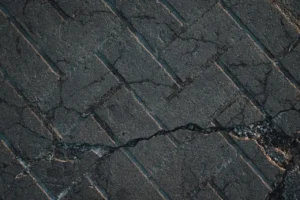
Block construction is strong, but it cracks visibly when a footing moves. Stair-step cracks along mortar joints, cracks at window corners and gaps at the roofline are often the first signs a Youngtown homeowner notices.
The Agua Fria River on Youngtown’s western edge
The Town of Youngtown sits on the east bank of the Agua Fria River, which runs along its western edge. Soils near a desert river are built from layers of sand, silt and gravel laid down by past floods. Those layers can vary from lot to lot, and loose, layered deposits can compress when water concentrates in them. That’s one reason two similar homes on the same Youngtown street can behave differently: one may sit on firmer material than its neighbor.
Youngtown neighborhoods we serve
Youngtown is small enough that we know it street by street, but it helps to think of it in three areas:
- The original 1950s grid: the earliest homes, with the oldest plumbing and the most block-wall cracking
- The Maricopa Lake area: homes around the lake and park, where irrigated green space keeps soil wetter nearby
- Clubhouse Square and the Town Hall area: the civic center of town, surrounded by homes from the 1960s and 1970s
Maricopa Lake Park is the heart of the community, with its lake, paths and shade. The homes around it are a good picture of Youngtown overall: modest, well kept and old enough that their foundations have been through decades of summers and monsoons.
Signs to watch for in a Youngtown home
- Stair-step cracks in block walls, inside or out
- Cracks across tile or terrazzo floors that keep widening
- Interior doors that stick or won’t latch on one side of the house
- A floor that feels lower near a bathroom or kitchen, where drain lines run
- Gaps between the slab and a patio, carport or sidewalk
- A water bill that has crept up without explanation
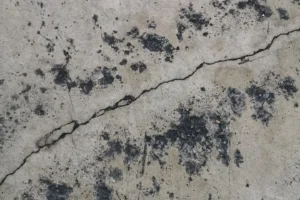
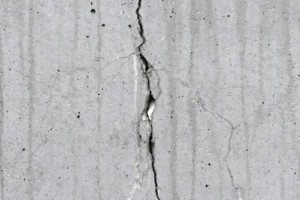
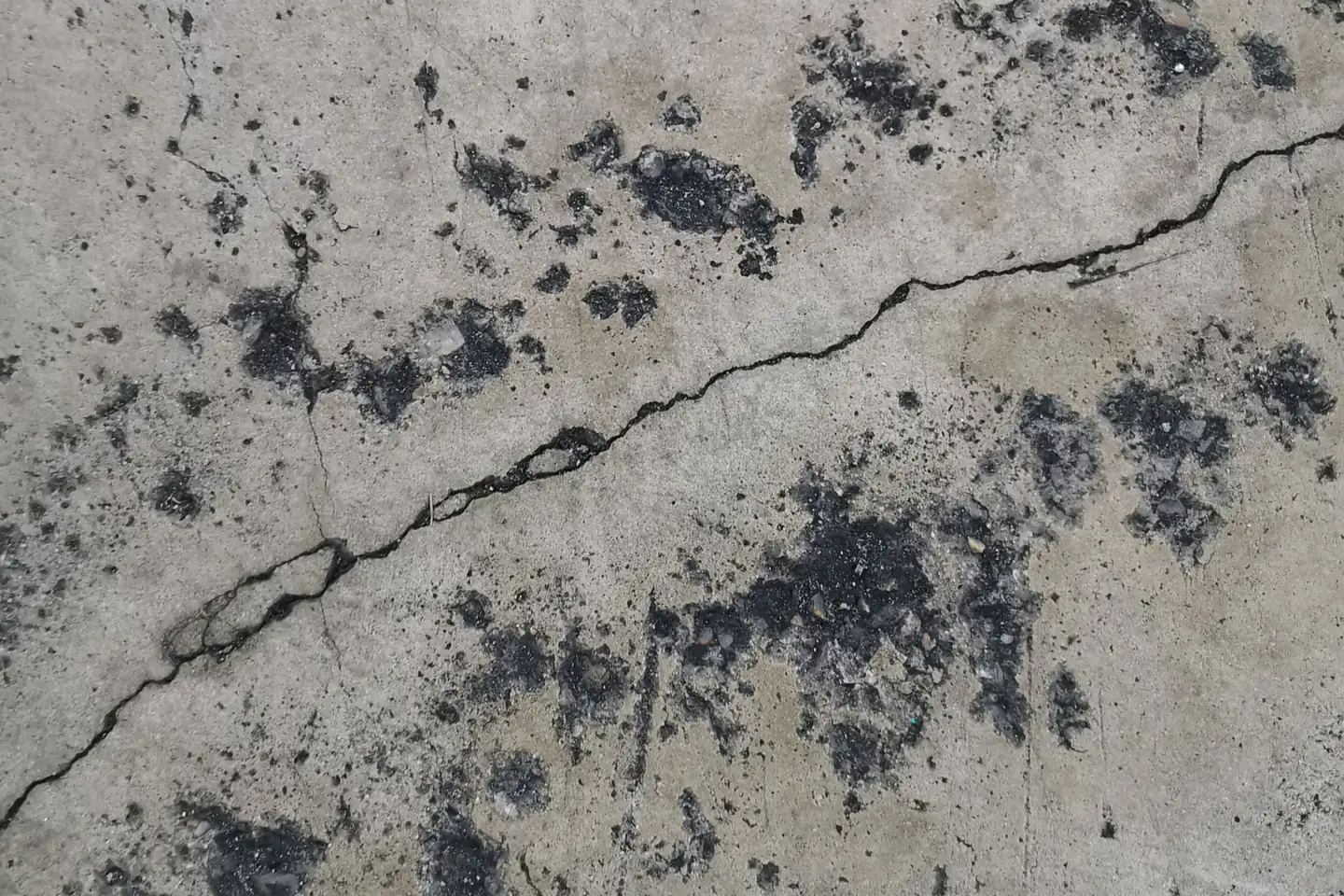
One crack by itself is often cosmetic in a home this age. Several signs together, especially near plumbing, are worth a closer look.
Foundation repair services in Youngtown
- Foundation crack repair for block wall, stem wall and slab cracks, from epoxy injection on dormant cracks to stabilizing active movement
- Slab foundation repair for settled conventional slabs, starting with the leak or water source that caused the settlement
- Foundation inspection with floor-elevation readings and crack mapping, useful for owners and for buyers of older homes
Our approach in older homes
In a Youngtown home, the first recommendation is often a plumber’s leak test, because fixing a slab before fixing the leak under it wastes money. After that, we look at how far the house has moved and whether it’s still moving. Many older homes have settled a little over decades and stopped, and those often need only crack repair and better drainage. Homes with active settlement may need piers along the affected section.
We explain everything plainly and put it in writing. There’s no pressure, and if a crack is just a sign of age rather than a problem, we’ll tell you.
Drainage around small Youngtown lots
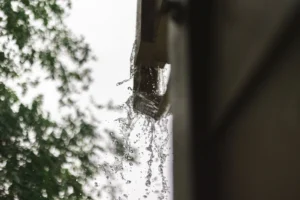
Lots here are compact, and many homes have carports, patios and walkways that take up much of the yard. That leaves little room for water to soak in away from the house. Simple changes make a big difference: extending downspouts or adding gutters where there are none, pulling soil and gravel away from the stucco, and moving irrigation emitters a few feet off the foundation. During monsoon season, watch where water collects and fix those low spots before the next storm.
Building permits in Youngtown
Youngtown is its own incorporated town, separate from Peoria, Sun City and El Mirage. Structural foundation work generally needs a building permit, and the Town of Youngtown handles permits for properties within town limits. Contact Town Hall at Clubhouse Square or check the town’s website for current requirements before work starts.
Nearby service areas
Youngtown borders Sun City to the north and east, where homes from the 1960s and 1970s share many of the same plumbing and slab issues. Across the Agua Fria to the west, El Mirage is mostly newer post-tension construction. Peoria wraps around the rest of town. See all of our service areas for the full list.
Youngtown foundation repair FAQs
Who issues building permits for foundation repair in Youngtown, AZ?
The Town of Youngtown issues building permits for properties within town limits, separate from Peoria, Sun City and El Mirage. Structural foundation work such as piers or footing repair generally needs a permit. Contact Town Hall or check the town’s website for current requirements, and confirm with your contractor who will apply for it.
Are cracks in my Youngtown block walls a foundation problem?
Not always. Fine cracks in older block walls can come from decades of heat cycles and shrinkage. Stair-step cracks along mortar joints that keep widening, cracks that line up with sticking doors, or walls that lean point more toward foundation movement. Floor-elevation readings show whether the slab under that wall has settled.
Should I get a leak test before foundation repair?
In most older Youngtown homes, yes. Many have original drain lines under the slab that are sixty or more years old, and a leak can soak the soil and cause settlement without obvious signs. Fixing the leak first keeps the foundation repair from failing, and sometimes it’s the main fix needed.