The Phoenix neighborhoods we serve
Phoenix is enormous, and its soils and housing vary from one end to the other. We focus on the parts of north and west Phoenix closest to Peoria, where we can respond quickly and where the homes share a lot with the West Valley.
Maryvale
West of Interstate 17 and south of Glendale, Maryvale was built largely in the 1950s and 1960s as one of the Valley’s first large master-planned subdivisions. Most homes there are modest single-story houses on conventionally reinforced slabs, with original under-slab drain lines that are now more than sixty years old. Leaks from those lines, combined with decades of lawn watering, are the most common cause of settlement we see in Maryvale. Stem wall cracks, sloping floors toward one side of the house and cracked block fences are typical.
Deer Valley
Along the Interstate 17 corridor in north Phoenix, Deer Valley mixes 1980s and 1990s subdivisions with newer infill. Many homes here are on post-tension slabs, and drainage off the surrounding hills and washes plays a bigger role than in flat west Phoenix.
Norterra and Stetson Hills
Farther north, Norterra and Stetson Hills are mostly 2000s construction on post-tension slabs. Some lots were graded into gently sloping desert, with fill under driveways, patios and rear yards. The calls here are usually about driveways dropping at the garage, cracked flatwork, and drywall cracks that owners want explained before they assume the worst.
North Mountain Village
Around North Mountain Village, homes run from mid-century ranch houses to newer hillside builds near the preserve, and slope drainage becomes a real factor.
Landmarks near the homes we work on
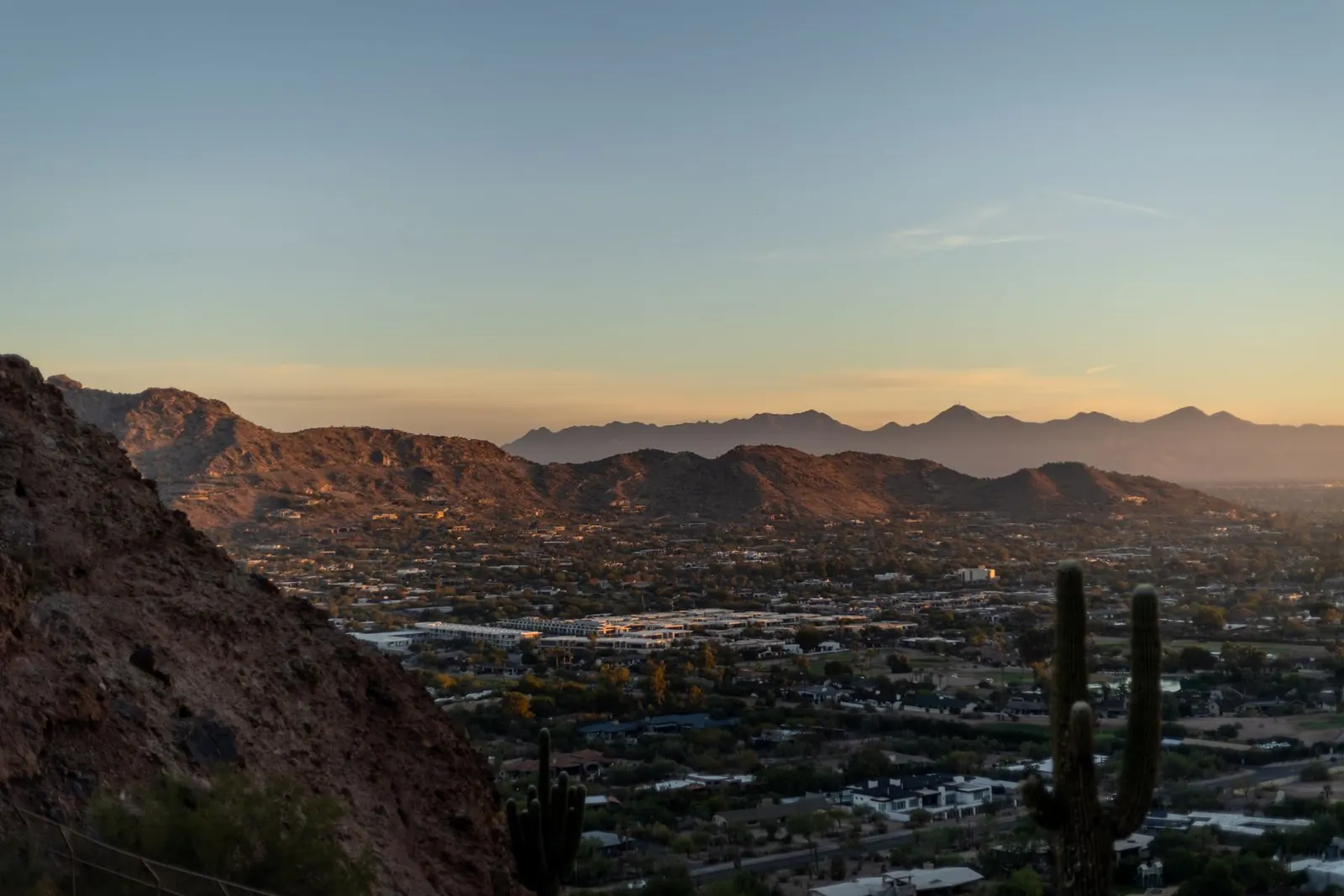
Two places help explain north Phoenix’s terrain. The Deer Valley Petroglyph Preserve, run by Arizona State University, sits among the boulder-covered hills in the Deer Valley area, a reminder of how much rock and shallow desert soil lies under parts of north Phoenix. Farther south, the trails on North Mountain and Shaw Butte in the Phoenix Mountains Preserve show the same picture: steep rocky slopes feeding washes that carry monsoon runoff down into neighborhoods. Homes near the base of those slopes need good drainage more than most.
What causes foundation movement on the north and west side
Phoenix spans many soil types, so we don’t make citywide claims. In the neighborhoods we serve, the patterns look like this:
- Maryvale and older west Phoenix: aging drain lines, long-term irrigation and cracked block walls on conventional slabs
- Deer Valley and North Mountain: slope and wash drainage, rock close to the surface in places, and mixed slab types
- Norterra and Stetson Hills: settled flatwork over fill, and post-tension slabs that tilt as a unit rather than cracking dramatically
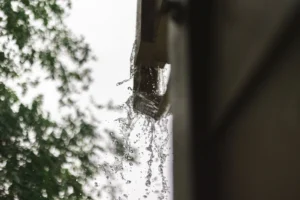
The common thread is water. A slab that has been dry for decades can settle quickly once a leak or a redirected downspout starts soaking one corner.
Foundation repair services in Phoenix
- Push piers for settling footings under heavier homes, driven to firm material using the weight of the house
- Slab foundation repair for both conventional slabs in Maryvale and post-tension slabs farther north, with a tendon scan before any drilling on post-tension homes
- Foundation inspection with floor-elevation readings, useful for buyers and sellers in a busy resale market
Why we keep this page focused
Phoenix is one of the largest cities in the country, and soils in Ahwatukee or Arcadia have little in common with soils in Maryvale. Rather than pretend one page covers all of it, we’ve kept this page to the north and west Phoenix neighborhoods closest to Peoria that we know well.
How a Phoenix evaluation works
We walk the outside first, checking grading, downspouts, irrigation and block walls, then take floor-elevation readings inside and map cracks and sticking doors against them. In older Maryvale homes, we often recommend a plumber’s leak test on the drain lines before any structural work. In north Phoenix post-tension homes, we look for anchor pockets, check driveways and patios, and plan around the tendons. You get the findings in plain language with the options that fit.
Block fences, pools and the rest of the lot
Foundation questions in north and west Phoenix rarely stop at the house. Block fences in Maryvale and older Deer Valley neighborhoods crack in stair-step patterns when one end settles, and they often sit right where a sprinkler line or a downspout has kept the soil wet for years. Pool decks in Norterra and Stetson Hills drop when a slow leak softens the fill beneath them. We look at the whole lot during an evaluation, because a cracked fence or a tilted pool deck is often the earliest clue to where water is going, and fixing that path protects the house too.
Building permits in Phoenix
The City of Phoenix issues its own building permits through its Planning and Development Department. Structural foundation repair generally requires a permit and often engineered drawings. Review the city’s residential building permit information before work starts, and make sure your contractor explains who handles the permit and inspections.
Nearby service areas
Phoenix borders Glendale to the west, where the same mix of mid-century slabs and newer tracts continues. North along Interstate 17, Anthem shares north Phoenix’s hillside lots and post-tension slabs. You can see every community we cover on our service areas page.
Phoenix foundation repair FAQs
Do you serve all of Phoenix?
We focus on north and west Phoenix nearest Peoria, including Deer Valley, Norterra, Stetson Hills, North Mountain Village and Maryvale. Those neighborhoods share soil and housing patterns with the West Valley, and we can reach them quickly. If you’re elsewhere in Phoenix, send a request anyway and we’ll tell you honestly whether we can help.
Why are so many Maryvale homes settling?
Many Maryvale homes were built in the 1950s and 1960s on conventional slabs with cast-iron drain lines under the floor. Those lines are now well past their expected life, and leaks soak the soil beneath the slab. Combined with decades of lawn irrigation, that water is the most common cause of settlement there, so a leak test often comes first.
Who issues foundation repair permits in Phoenix?
The City of Phoenix Planning and Development Department issues residential building permits within city limits. Structural foundation work such as piers or footing repair generally needs a permit and often engineered plans. Check the city’s residential building permit guidance and confirm with your contractor who will apply for the permit and schedule inspections.